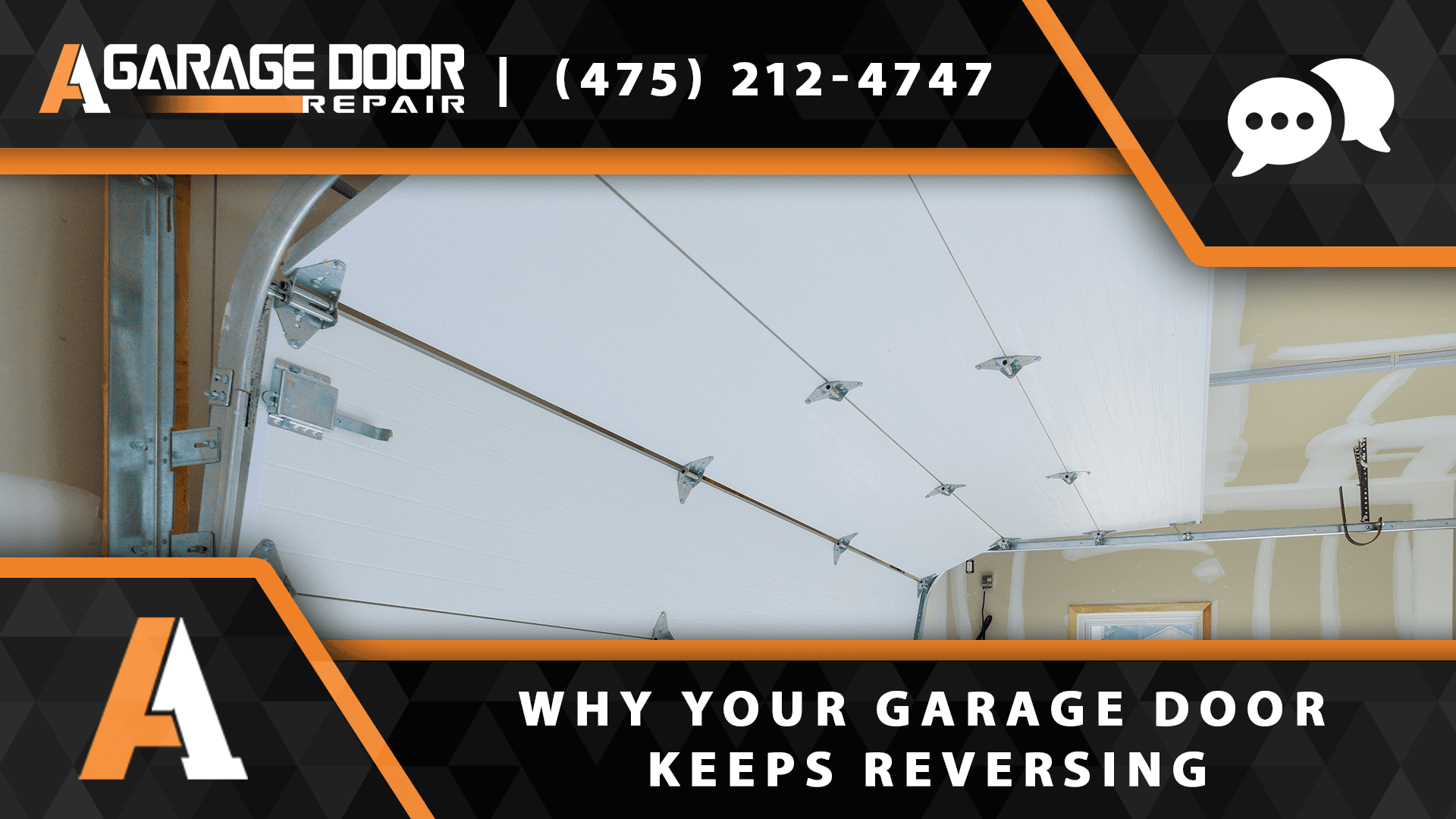
Troubleshooting garage door reversals and how to fix them before they become dangerous
Have you ever hit the button to close your garage door, only for it to reverse direction halfway down? If you’re wondering why your garage door keeps reversing, you’re not alone. This frustrating issue is often caused by garage door opener issues, sensor problems, or even mechanical misalignments. Homeowners frequently search for garage door repair near you or urgent garage door repair to get their systems working properly again. In many cases, it comes down to faulty sensors or garage door motor problems that can escalate if left unchecked.
Understanding the Auto-Reverse Safety Mechanism
Modern garage doors come with built-in safety features to prevent accidents. The auto-reverse function is one of the most critical—it forces the door to stop and reverse direction if it encounters resistance while closing. This protects children, pets, and vehicles from getting trapped or damaged.
However, when the system falsely detects an obstruction, it can cause unnecessary reversals. Understanding how this system works is the first step in diagnosing garage door reverses automatically scenarios.
Common Reasons Why Your Garage Door Keeps Reversing
Several issues can trigger automatic reversals, ranging from simple to serious. Let’s break down the most common causes.
1. Misaligned or Dirty Sensors
The most frequent culprit is sensor misalignment or dirt on the sensor lenses. Garage doors rely on infrared sensors placed near the floor on both sides of the opening. If these sensors can’t “see” each other properly, the door will reverse as a safety measure.
In such cases, garage door sensor repair or basic garage sensor alignment can restore functionality. Make sure the sensors are clean, aligned, and not blocked by debris, snow, or spider webs.
2. Worn or Faulty Garage Door Opener
If your garage door motor problems are more advanced, the opener itself could be the issue. A failing opener may have difficulty completing its cycle or misinterpret electrical signals. This can result in the door stopping or reversing unexpectedly, especially during colder weather.
You’ll need to call a professional to inspect the opener. If it’s older than 10–15 years, replacement may be more cost-effective. This falls under garage door opener issues and may require upgraded tech for better reliability.
3. Incorrect Close-Force Settings
Your opener has a built-in “close force” setting, which tells the motor how much resistance is allowed before it should reverse. If this setting is too low, even minor resistance—like a stiff hinge or slightly off-track roller—can trigger the reversal.
A professional technician can recalibrate these settings to better match your door’s weight and resistance profile. Don’t attempt to tweak this setting unless you’re familiar with the opener model.
4. Damaged Tracks or Rollers
When garage door tracks are bent or rollers are worn, the door may bind during operation. This triggers the opener’s safety mechanism to reverse direction. Left untreated, this mechanical friction can worsen and lead to garage door off track incidents or even damage to the door panels.
While this issue doesn’t always require emergency garage door repair, it should be addressed quickly to avoid further damage.
When It’s Time for Garage Door Sensor Repair
If your garage door reverses automatically and you’ve ruled out dirt or misalignment, you may need to replace the sensors entirely. Faulty wiring, water damage, or age can cause sensors to fail internally. In that case, garage door sensor repair involves testing voltage, inspecting connections, and potentially installing new components.
Technicians experienced in garage sensor alignment and replacement can fix the issue quickly. If your system continues reversing despite realignment and cleaning, professional repair is the safest path forward.
Signs You Need Emergency Garage Door Repair
Sometimes, a reversing door is more than just an inconvenience—it’s a sign of a serious failure. You should contact an urgent garage door repair service if:
- The door slams shut or jerks upward suddenly
- You hear grinding or screeching during movement
- The opener motor smells like burning or overheats
- Sensors stay lit even when realigned
- The door reverses without ever hitting the ground
In these cases, continuing to use the door may lead to injury or damage. Stop using it and search for emergency garage door repair near you to avoid escalating issues.
How to Prevent Reversal Issues in the Future
Preventing these problems starts with regular inspection and tune-ups. Here are some tips:
- Clean your sensor lenses monthly
- Keep tracks and rollers lubricated
- Test the auto-reverse feature every 3 months using a piece of wood
- Listen for new noises during operation
- Watch for inconsistent stopping or reversing
- Schedule professional garage door repair near you at the first sign of motor trouble
Proactive maintenance can save you the cost of replacing components like sensors or openers down the line.
Why Prompt Repairs Are Worth It
Allowing your door to reverse repeatedly without fixing the root cause increases strain on every component—from the opener to the springs and tracks. What begins as simple garage door opener issues may grow into a total system failure.
Calling for professional garage door repair near me as soon as the reversal starts helps preserve the safety features while avoiding bigger, costlier repairs. It also ensures your garage door meets current safety standards, especially if you’re planning to sell your home.
Final Thoughts
If you’ve been asking yourself why your garage door keeps reversing, now you know the answer likely lies in the sensors, motor, or settings. Whether it’s garage door motor problems or garage sensor alignment, ignoring these issues can lead to serious damage—or worse, safety hazards. Don’t wait for it to become a bigger issue. Seek expert help for garage door repair near you and keep your home secure, your car protected, and your family safe.