Spot the signs early and prevent a dangerous garage door failure
Garage door springs are vital components that help your garage door open and close smoothly and safely. When your garage spring replacement is overdue, the door can become heavy and difficult to operate, sometimes even failing to open at all. Recognizing the warning signs of a snapped garage door spring can save you from costly repairs and potential safety risks. Getting timely repair garage door spring service from a trusted provider offering garage door repair near you ensures your door stays in top condition.
In this article, we’ll explain the most common indicators of a broken garage door spring, what causes springs to fail, and why timely garage spring replacement is important.
Why Garage Door Springs Replacement is So Important
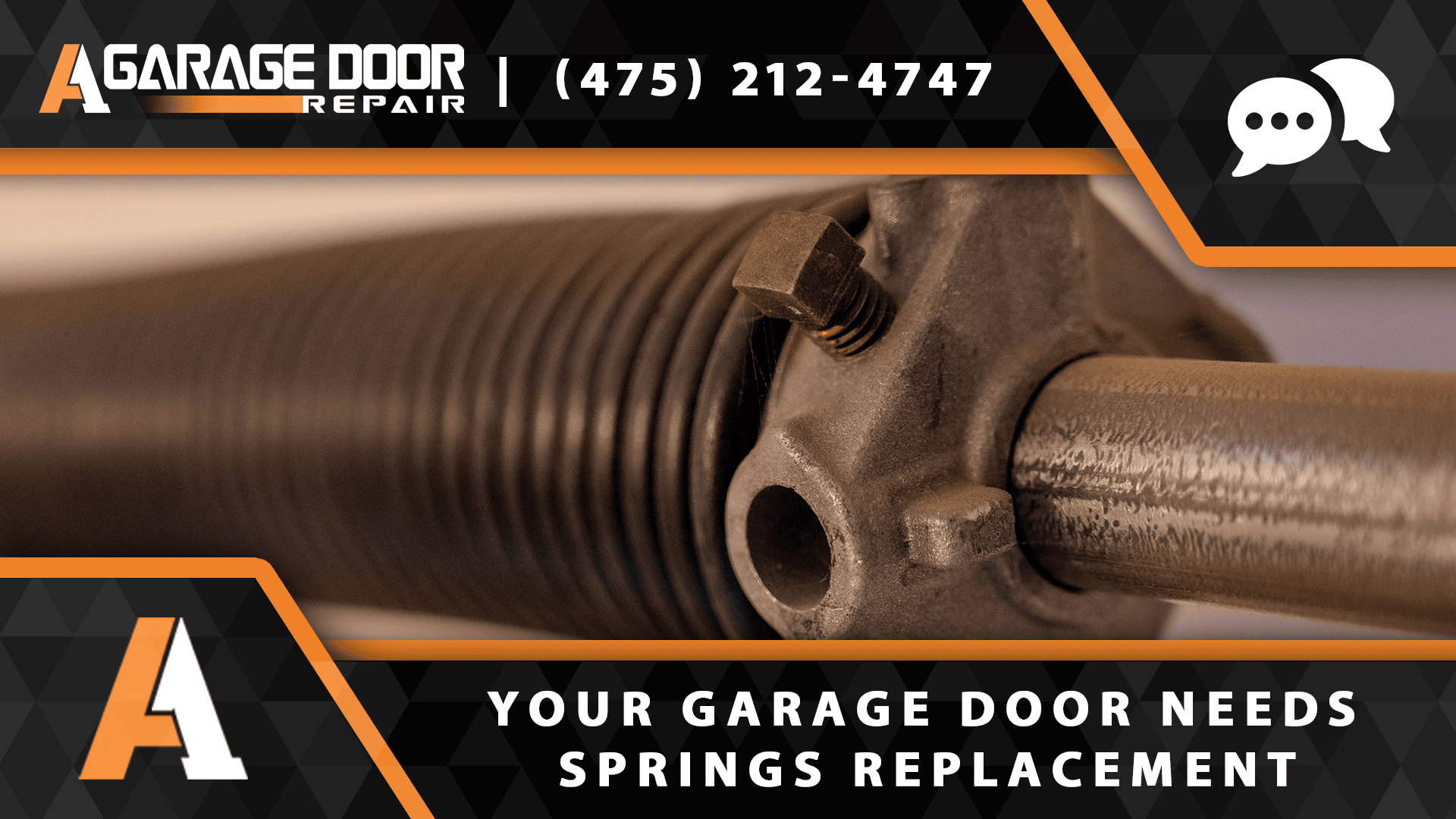
Garage doors often weigh hundreds of pounds. Springs are designed to counterbalance this weight so your garage door opener can lift and lower the door with ease. There are two main types of springs:
- Torsion springs: Mounted above the door, these springs twist to generate tension.
- Extension springs: Located on each side of the door, they stretch and contract as the door moves.
Both spring types are strong but eventually wear out from repeated use. When they fail, the door becomes heavy and hard to operate, requiring professional garage door spring replacement.
Common Signs You Need Garage Door Springs Replacement
Keep an eye out for these warning signs of spring failure:
1. Garage Door Not Opening or Won’t Open Fully
If your garage door is not opening, or the opener runs but the door stays closed or only opens partway, a broken garage door spring is often the cause. Without spring tension, the opener cannot lift the full weight of the door alone.
2. Loud Bang or Snap Sound
A sudden loud bang from your garage usually means a snapped garage door spring. This sharp noise often signals that the spring has broken and needs immediate replacement.
3. Door Opens Unevenly or Jerks
If your garage door opens crookedly or jerks on one side, it can indicate that one spring is broken and the door is unbalanced. This requires quick garage door spring repair to prevent further damage.
4. Visible Gaps or Damage on Springs
Inspect your springs for visible signs of wear, such as:
- Gaps in the coils where the spring has broken
- Rust or corrosion that weakens the metal
- Worn or thinning sections along the spring
Any of these mean it’s time for garage spring replacement.
5. Door Closes Too Fast or Slams Shut
Springs control the speed of the door closing. If your door suddenly slams shut or closes faster than usual, it indicates the springs have lost tension or broken.
6. Door Feels Heavy When Lifted Manually
Disconnect the opener and lift your garage door by hand. If it feels heavy or hard to lift, the springs are no longer doing their job and you need garage door spring repair.
7. Opener Struggles, Reverses, or Makes Loud Noises
If your opener struggles to lift the door, reverses before opening fully, or makes loud noises, these can all be signs that your springs have failed and are causing extra strain.
What Causes Garage Door Springs to Fail?
Garage door springs have a lifespan, but several factors can cause them to wear out faster:
- Normal wear and tear: Springs are rated for about 10,000 cycles (one cycle = one open and close). After this, they weaken and break.
- Rust and corrosion: Exposure to moisture causes springs to rust, which reduces their flexibility and strength.
- Extreme temperatures: Hot or cold weather can make springs brittle or overstressed.
- Lack of maintenance: Failing to lubricate or inspect springs accelerates wear.
- Improper adjustments or damage: Poorly adjusted springs or accidental damage from closing on an obstacle can break springs prematurely.
Regular maintenance can extend spring life, but eventually, garage door spring replacement is inevitable.
Why You Shouldn’t Delay Garage Door Springs Replacement
Ignoring signs of spring failure can lead to more serious problems:
- Safety hazards: Broken springs can snap violently or cause the door to fall suddenly.
- Damage to the opener: The opener must work harder to lift an unbalanced door, risking motor burnout.
- Track and cable damage: Uneven lifting can bend door tracks or snap cables, leading to costly repairs.
- Complete door failure: A broken spring means your garage door may stop working entirely, leaving you locked out.
It’s also recommended to replace both springs at once—even if only one is broken—to keep balanced tension and improve longevity.
Why You Should Hire Professionals for Garage Door Spring Repair
Garage door springs are under high tension and dangerous to replace without proper training. Professional technicians have the skills and tools to:
- Safely remove broken springs
- Correctly install and adjust new springs
- Inspect your door system for other issues
- Ensure your door is balanced and working smoothly
Attempting DIY spring replacement can lead to serious injury or improper installation. For safe and effective garage door spring repair near you, it’s best to hire trusted experts.
How to Find Reliable Garage Door Spring Replacement Near You
When looking for help, consider these tips:
- Choose licensed and insured companies
- Look for positive customer reviews and testimonials
- Ask about clear pricing and warranties
- Choose providers who offer prompt emergency services
Working with reputable professionals ensures your door is fixed safely and lasts longer.
Final Thoughts
Recognizing the signs of a broken garage door spring early helps prevent inconvenience and hazards. Whether your garage door is not opening, you hear a loud bang, or your door moves unevenly, these are clear signals you need garage door spring replacement.
Don’t wait until your garage door fails completely. Contact trusted professionals for fast, safe, and reliable garage door spring repair near you.