Understanding the impact of freezing temperatures on your garage door’s performance
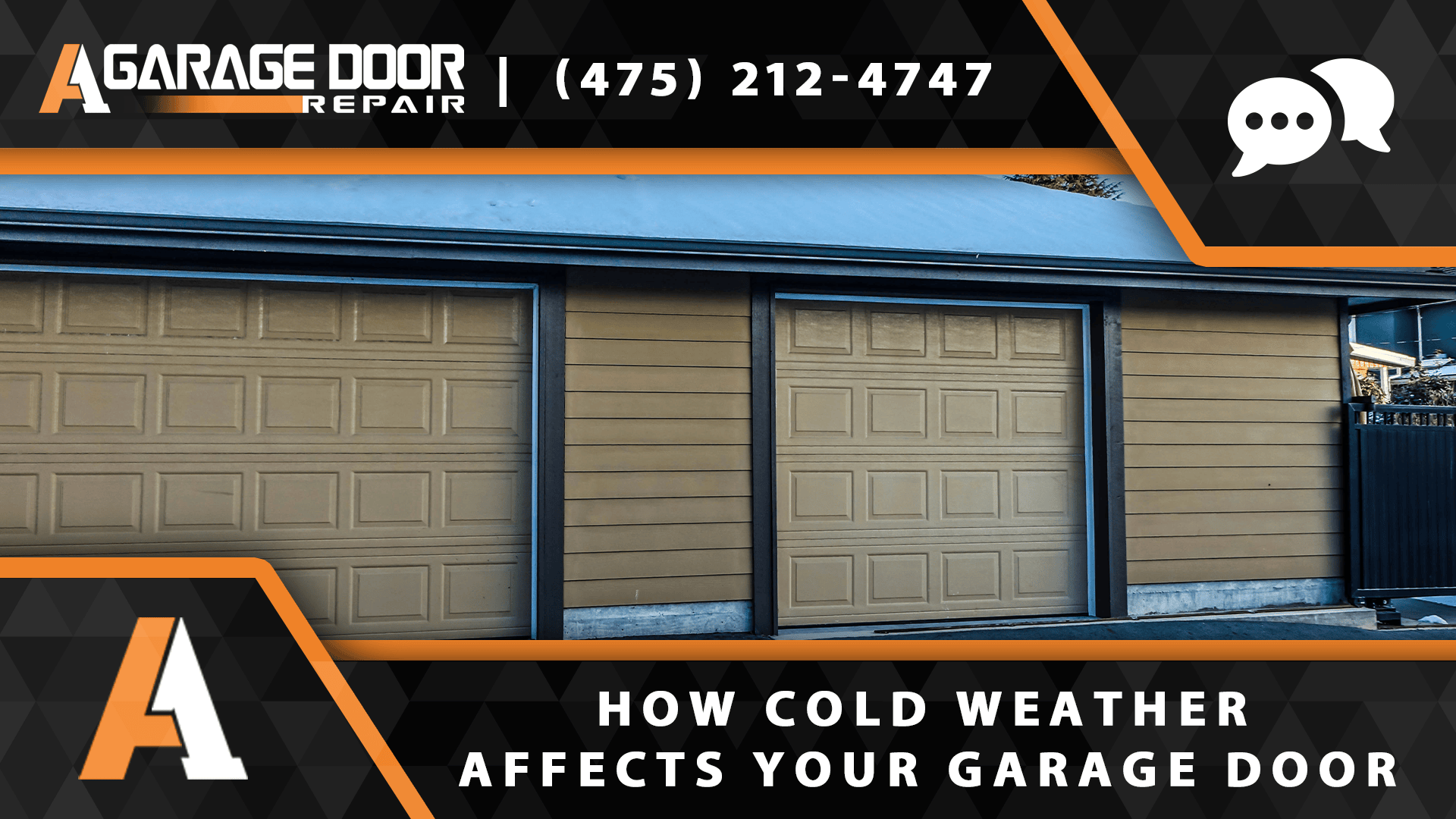
When winter hits hard, many homeowners notice new issues with their garage doors—squeaks, hesitations, or full malfunctions. Knowing how cold weather affects your garage door helps you prevent costly damage and avoid safety risks. From garage door cable repair needs to garage door off track repair emergencies, understanding cold weather garage door problems gives you the tools to act fast. If you’re dealing with these issues now, you might already be searching for garage door repair near you or urgent garage door repair to restore access and safety.
Temperature Drops and Garage Door Materials
The first thing to understand is how metal and rubber respond to cold. Your garage door system is made up of various components—springs, tracks, cables, hinges, and seals—that expand and contract based on temperature. As freezing temperatures hit, metal contracts. This makes it easier for moving parts to misalign, stick, or become brittle.
Rubber components such as seals and weatherstripping also harden in cold temperatures, reducing their flexibility. As a result, your garage door may not seal properly, allowing drafts and moisture to enter your garage and freeze components further.
How Cold Weather Leads to Broken Garage Door Cables
One of the most common cold weather garage door problems is cable failure. Moisture combined with freezing air can lead to rust and brittleness. Garage cables are under a great deal of tension, and even small corrosion spots can weaken them enough to snap unexpectedly.
If a cable does break, you’ll need garage door cable repair or a full garage cable replacement immediately to restore safe operation. You may also notice your garage door becoming uneven or jammed, which is a major red flag that cable damage is already underway.
Frozen Tracks and the Risk of Doors Coming Off Track
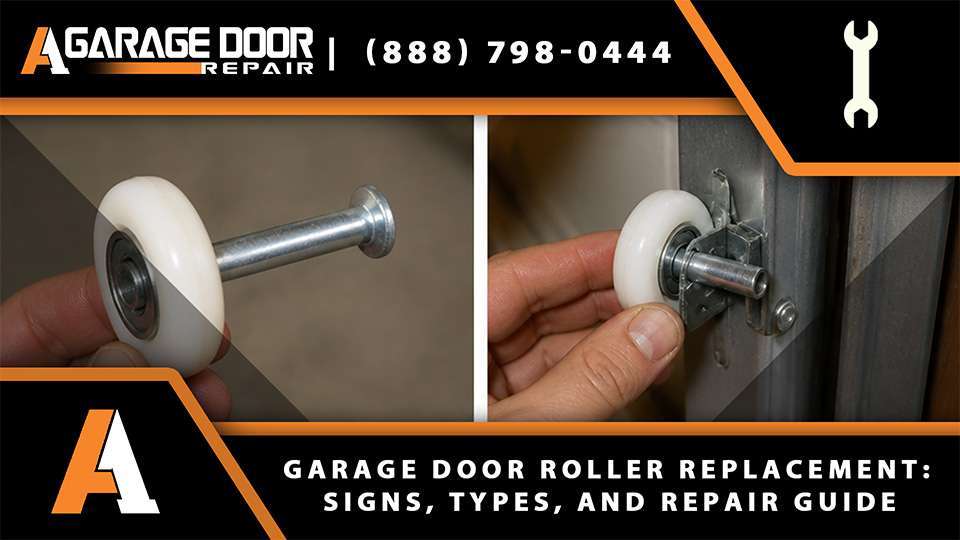
Ice buildup inside the track system is a silent threat. If the rollers cannot move freely because of frozen moisture or deformed tracks, the door may come off alignment or bind mid-operation. This results in one of the most dangerous problems during winter: an off-track garage door.
Garage door off track repair in freezing temperatures must be handled with care, especially since the risk of bent panels or damaged rollers is much higher. In some cases, garage door track realignment may be required, especially if the misalignment is caused by repeated strain in the cold.
Garage Door Springs Become More Fragile in the Cold
Torsion and extension springs are crucial to balancing the weight of your garage door. Unfortunately, they’re also extremely sensitive to temperature. Cold air causes the metal to become more brittle, making springs more likely to snap without warning.
A broken spring immediately disables your door and can cause significant damage if the door drops too quickly. Since spring failures often occur suddenly, they’re a top reason homeowners seek emergency garage door repair during the winter months.
Cold Weather Affects Garage Door Openers Too
It’s not just the mechanical parts that struggle with winter—your opener’s electronics can too. Batteries drain faster in low temperatures, which may affect the remote or wall switch. The opener motor itself may also lag or freeze if it’s poorly insulated or exposed to excess moisture.
When opener problems happen alongside spring or cable damage, you’ll need more than basic troubleshooting. In these cases, calling a professional for garage door repair near me becomes the safest and quickest solution.
Signs You Need Urgent Garage Door Repair in Cold Weather
Not sure if it’s time to call for emergency service? Here are key signs that your garage door may need immediate attention during cold weather:
- Loud grinding or popping sounds during operation
- Door won’t open or close fully
- Uneven or crooked door movement
- Visible cable fraying or loose wires
- Freezing around tracks or rollers
- The opener motor struggles or fails to respond
These problems can quickly escalate, especially when freezing temperatures make materials more fragile. Whether it’s garage cable replacement or garage door track realignment, quick action can save you from bigger, more expensive repairs.
H ow cold weather affects your garage door and How to Prevent i
The best way to avoid winter-related garage door failures is through preventative maintenance. These simple steps can go a long way:
- Lubricate all moving parts with cold-weather-rated lubricant
- Clear snow and ice from the tracks daily
- Inspect cables and springs for rust or fraying
- Test the opener battery and backup system
- Keep the garage interior above freezing if possible
- Check door alignment monthly for balance issues
Even with great maintenance, some issues are unavoidable. That’s why knowing a trusted company that offers emergency garage door repair near you is key when the unexpected happens.
Why Prompt Repairs Matter
Delaying garage door repair during winter not only makes your life harder—it can lead to more damage and danger. A cable that snaps today can pull the entire system off alignment tomorrow. An ignored spring issue might lead to a door slamming shut or trapping your vehicle inside.
By acting fast, you reduce the chance of needing costly garage door off track repair or full replacements. Even small fixes like garage door cable repair can help you avoid a chain reaction of failures when the temperature dips below freezing.
Final Thoughts
Cold weather garage door problems are more than seasonal annoyances—they can be real safety hazards. Whether you’re dealing with frozen tracks, failing cables, or brittle springs, it’s important to recognize the early signs and act fast. From garage door cable repair to garage door track realignment, the right repair at the right time can save you from major headaches. Don’t wait—schedule professional garage door repair near you before the next freeze sets in.